




The Sri Lankan government has decided to introduce a new mechanism to revise fuel prices on a weekly basis, replacing the current monthly pricing system in line with global market trends.
Foreign Minister Vijitha Herath has confirmed the move, according to reports from an English-language media outlet.
The Cabinet has already granted approval for the new system, which is expected to be implemented from May 2026.
Fuel Prices to Reflect Global Market Changes Every Week
Under the proposed mechanism, fuel prices in Sri Lanka will be adjusted weekly based on fluctuations in the international oil market.
Authorities expect that if global fuel prices decline, the benefits will be passed on to consumers without delay on a weekly basis. Conversely, any increase in global prices will also be reflected in domestic fuel prices accordingly.
This decision comes amid ongoing volatility in the global oil market, particularly influenced by tensions and conflicts in the Middle East region.
IMF Conditions and Economic Stability Drive Policy Shift
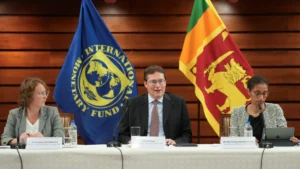
The move is also linked to Sri Lanka’s ongoing engagement with the International Monetary Fund (IMF).
A staff-level agreement was reached last Thursday regarding the release of a $700 million financial assistance package for Sri Lanka.
However, the IMF has emphasized that while providing relief to vulnerable communities, the government must strictly adhere to a cost-reflective pricing mechanism for fuel and electricity.
The IMF further highlighted the importance of continuously aligning fuel prices with global market rates to reduce fiscal risks and maintain financial discipline.
Faster Price Changes Expected Under New System
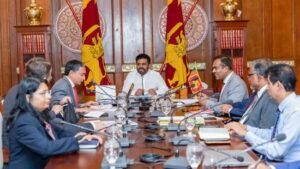
With the introduction of the weekly pricing model, fuel prices in Sri Lanka will no longer remain static for a month. Instead, global market fluctuations will be reflected much faster, potentially impacting consumers on a weekly basis.
This marks a significant shift in the country’s fuel pricing policy aimed at improving economic stability and transparency.

Good decision by srilankan government.