



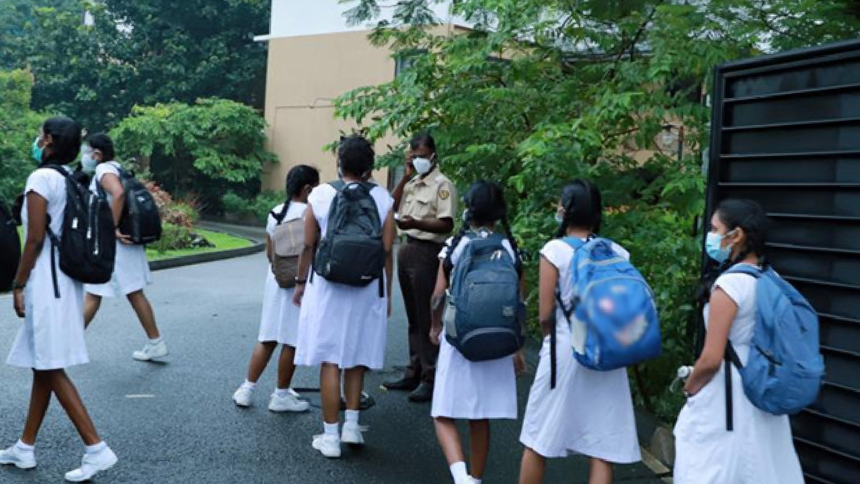
Medical specialist Palitha Karunapema stated that viral brain fever infections have recently spread among school students in several parts of Sri Lanka. However, he urged the public not to create unnecessary panic over the situation.
He explained that health authorities first identified the outbreak in Deniyaya and later detected cases in multiple other areas. According to the latest reports, authorities recorded 28 patients in Diyatalawa, 13 patients in Welimada, and 25 patients in Kandy.
Dr. Karunapema stated that the disease continues to spread as a viral brain fever. He further said that the Epidemiology Unit and provincial health authorities continue to carry out investigations and monitoring activities regarding the outbreak.
Additional Remarks on the Disease

Health experts have advised the public not to ignore the early symptoms related to this viral brain fever. They emphasized that people should immediately seek medical attention at the nearest hospital if they experience symptoms such as high fever, severe headaches, vomiting, fatigue, or confusion. Since school students appear to be the most affected group, authorities have also urged parents and teachers to pay closer attention to the health condition of students. Health officials further stated that following proper hygiene practices, consuming clean drinking water, and eating hygienic food can help reduce the spread of the disease.
Health Officials Urge Public to Follow Hygiene Measures

Dr. Karunapema emphasized that doctors can successfully treat the disease through proper medical care. He added that most patients recover within five to seven days after receiving treatment. All infected patients currently remain under hospital care while medical teams continue observation and treatment. Health authorities also requested the public to avoid spreading fear and misinformation regarding the outbreak. Officials confirmed that they already introduced several measures to control the spread of the disease.
Rainy Season and Vesak Food Safety Warning

Authorities further advised the public to remain cautious due to the ongoing rainy weather and the large number of food distribution events taking place during the Vesak season. Since contaminated food and unsafe water can spread infections quickly, health officials urged people to maintain proper hygiene practices and consume only clean food and drinking water.